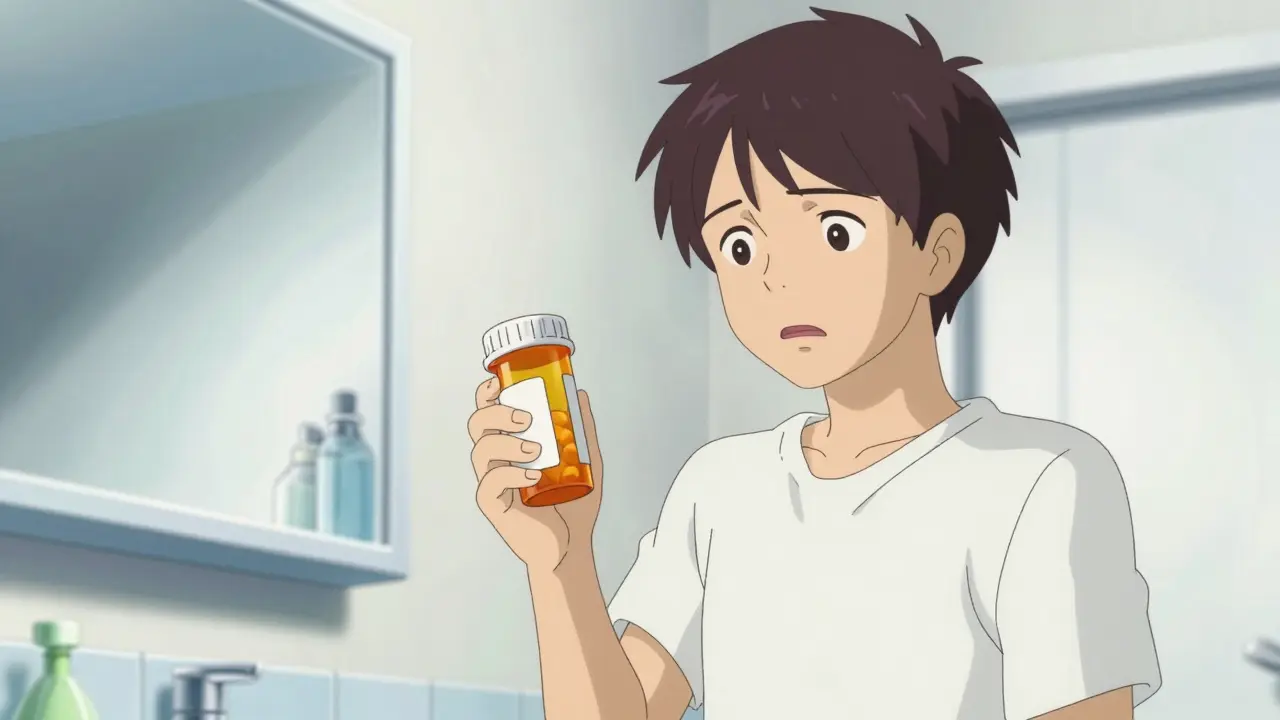
Most people don't realize that the process behind a safety alert is a complex mix of government oversight and company self-reporting. While the goal is always patient safety, the triggers that lead to a recall can range from a simple typo on a label to systemic failures in a factory thousands of miles away. Understanding what actually triggers these actions helps you separate the urgent dangers from the minor regulatory glitches.
The Severity Scale: Understanding Recall Classes
Not every recall is an emergency. The U.S. Food and Drug Administration (FDA) doesn't just say "this drug is recalled"; they categorize the risk so doctors and patients know how to react. These categories tell you exactly how much danger the product poses.
- Class I: The Red Alert. This is the most serious. It means there is a reasonable probability that using the drug will cause serious health problems or even death. A real-world example happened in July 2024 with ICU Medical, where potassium chloride injections were mislabeled. They labeled 20 mEq as 10 mEq-a mistake that could lead to a fatal overdose if a clinician administered the wrong dose.
- Class II: The Yellow Flag. These are common and involve temporary or medically reversible health effects. The risk of serious harm is low. In April 2025, Glenmark Pharmaceuticals recalled nearly 40 generic medications because their Indian facility wasn't following Current Good Manufacturing Practice (CGMP) rules. While the drugs might not be immediately lethal, they didn't meet the strict quality standards required for safety.
- Class III: The Minor Glitch. These are situations where the drug is unlikely to cause any health consequences, but it violates a regulation. This could be a minor labeling error or a slight deviation in the packaging that doesn't affect the medicine itself.
What Actually Triggers a Recall?
Recalls aren't random. They are triggered by specific, measurable failures in the manufacturing process. If you look at the data from the last decade, a few recurring themes emerge as the primary culprits.
Sterility lapses are the biggest trigger, accounting for about 37% of all FDA recalls between 2012 and 2023. In a sterile environment, the air must be practically pure. The FDA uses particle counters to measure contaminants at 0.5-micron and 5.0-micron levels. If a facility exceeds 10 CFU/m³ (colony-forming units) in a Grade A environment, the risk of bacterial contamination spikes, and the product is often pulled.
Other common triggers include:
- Particulate Matter: Tiny bits of glass, metal, or plastic getting into the liquid (found in 12% of recalls).
- Labeling Errors: Mixing up doses or failing to list a critical allergen (9% of recalls).
- API Potency: When the Active Pharmaceutical Ingredient (API) is either too strong or too weak, meaning the drug doesn't work as intended (7% of recalls).
| Trigger | Frequency (%) | Typical Risk | Typical Action |
|---|---|---|---|
| Sterility Lapses | 37% | Infection/Sepsis | Immediate Consumer Return |
| Particulate Matter | 12% | Vascular Irritation | Hospital/Pharmacy Return |
| Labeling Errors | 9% | Incorrect Dosing | Wholesale Correction |
| API Potency | 7% | Treatment Failure | Patient Notification |
The Global Gap: Why Some Recalls Take Longer
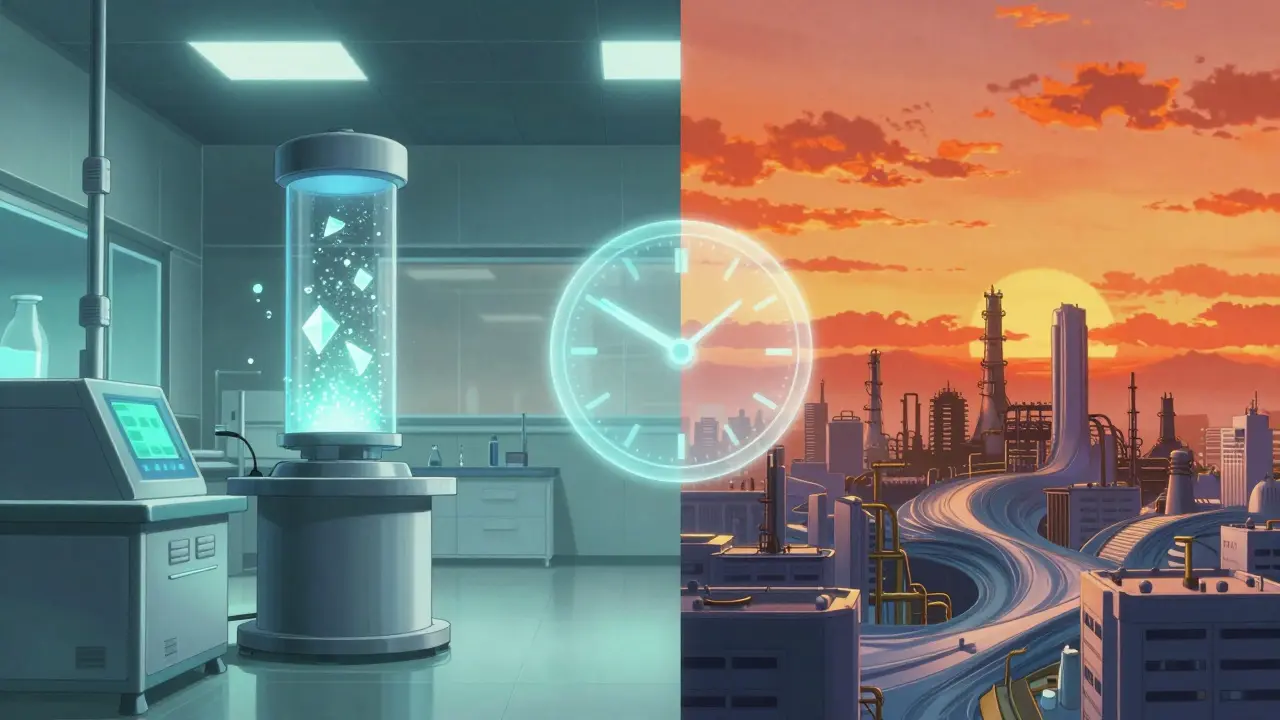
Most of the generic drugs we use in the U.S. aren't made here. About 80% of the active ingredients come from India and China. This globalization creates a massive oversight gap. If a factory is in the U.S., the FDA typically inspects it every 1.8 years. But for foreign plants, that average jumps to 4.6 years. That's a huge window for quality to slip.
This disparity is why some recalls feel "too late." For instance, the Glenmark case showed that a facility could operate for years with CGMP violations before the FDA or investigative journalists spotted the pattern. In the U.S., the recall system is largely voluntary-about 98% of recalls are started by the companies themselves. While this encourages collaboration, it also means we rely on companies to admit they messed up. In contrast, the European Union uses a more mandatory system, which often results in public alerts being issued much faster-averaging 18 days compared to the U.S. average of 42 days from detection to notification.
What Happens After the Alert?
Once a recall is triggered, the clock starts ticking. The FDA recommends that healthcare providers review the notice within 24 hours and notify patients within 72 hours. However, the reality on the ground is often messier. Many patients find the official notices confusing, and a surprising number never receive a direct call from their pharmacy.
If you find your medication on a recall list, the most dangerous thing you can do is stop taking it immediately without a plan. This is especially true for medications for blood pressure, seizures, or mental health. A survey by AARP found that nearly 78% of people would stop their meds immediately, but this can lead to "rebound effects" or treatment interruptions that are far more dangerous than the recalled drug itself. The correct move is always to call your doctor or pharmacist to ask if your specific lot number is affected and how to transition to a safe alternative.
The Future of Drug Safety: AI and Blockchain
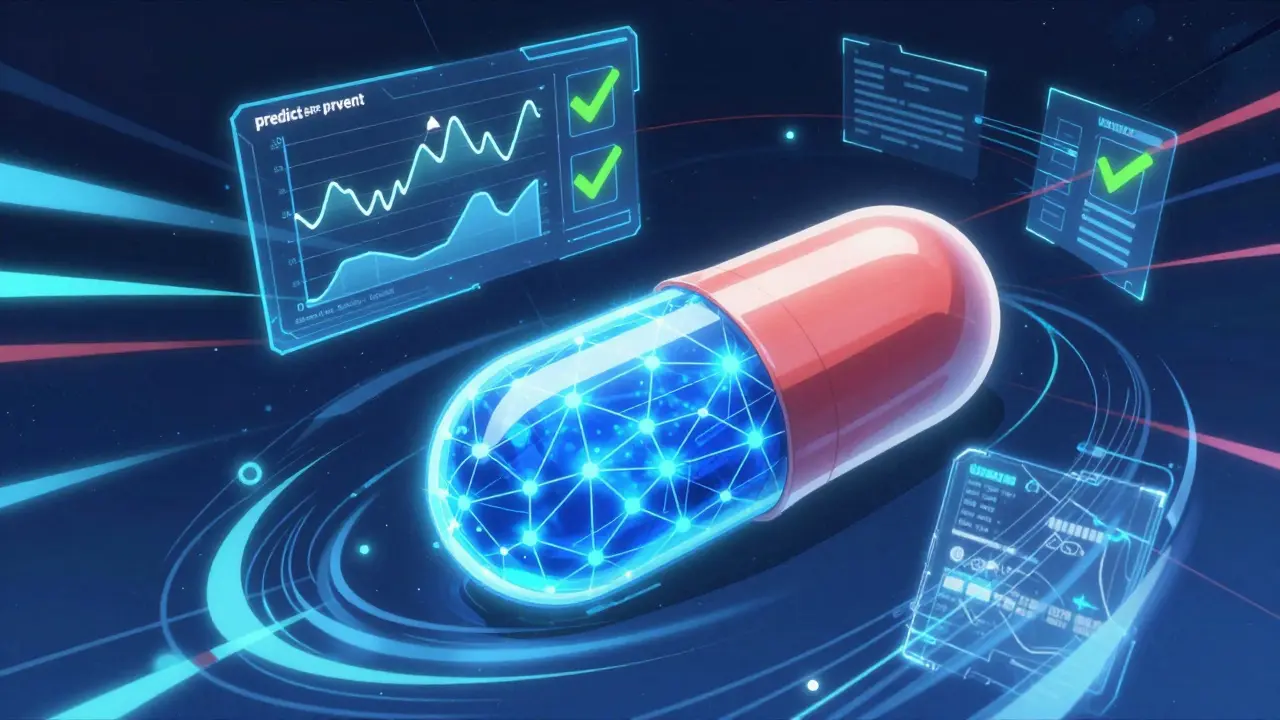
The industry is trying to move away from the "find it and fix it" model toward a "predict and prevent" approach. We are seeing a shift toward continuous manufacturing, which allows for real-time quality checks rather than testing a batch after it's already finished. This tech has already led to a 22% drop in sterility-related recalls among the companies using it.
We're also seeing the rise of blockchain in the supply chain. Instead of spending days hunting through spreadsheets to find which pharmacy got a specific bad lot, blockchain can potentially pinpoint the location of every single bottle in hours. Combined with AI-powered predictive analytics-which the FDA is currently funding with a $47 million budget-the goal is to spot a quality trend (like a slight rise in particulates) and stop the shipment before the drug ever leaves the factory.
What should I do if my medication is recalled?
First, do not panic and do not stop taking your medication abruptly, as this can cause serious withdrawal or health spikes. Check the lot number on your prescription bottle and compare it to the recall notice. Call your pharmacist or primary care physician immediately to confirm if your specific batch is affected and to arrange for a replacement.
Is a generic drug less safe than a brand-name drug?
Not inherently. Generic drugs must meet the same FDA standards for safety and efficacy as brand-name drugs. However, because generic manufacturers often operate on thinner margins and many are based overseas, they may face more challenges with consistent quality control, which can lead to a higher frequency of recalls in some cases.
How can I find out if my drug has been recalled?
The most reliable source is the FDA's Enforcement Reports database, which is searchable by drug name or manufacturer. You can also sign up for email alerts from the FDA or check with your local pharmacy, though the FDA database is the fastest way to get the raw data.
What is the difference between a Class I and Class III recall?
A Class I recall is a high-risk emergency where the product could cause serious injury or death. A Class III recall is a low-risk situation where the drug is unlikely to cause health problems but violates a technical regulation, such as a minor labeling mistake.
Why do so many recalls happen in foreign factories?
The primary reason is the "inspection gap." The FDA cannot inspect foreign facilities as often as domestic ones-sometimes waiting over four years between visits. This allows quality culture failures to go unnoticed until a problem becomes severe enough to trigger a recall.
Next Steps for Patients and Caregivers
If you are managing multiple medications, the best way to handle potential recalls is to be proactive. Keep a digital list of your current medications, including the manufacturer and lot numbers. This makes it much faster to check against FDA alerts without having to hunt through cabinets.
If you suspect a medication is causing a reaction that isn't listed in the side effects, don't just wait for a recall. Use the FDA's MedWatch program to report adverse events. While only a small percentage of patients currently use this tool, it is the very data that often triggers the investigations leading to a safety alert. By reporting a "weird" reaction, you might actually be the one triggering the action that saves someone else's life.
 How to Cope with Acetazolamide Side Effects
 The History of Bisoprolol Fumarate: From Discovery to Medical Use
 Buy Cheap Generic Prozac Online - Safe Tips & Best Deals
 How to Report a Medication Error or Concern to Your Provider